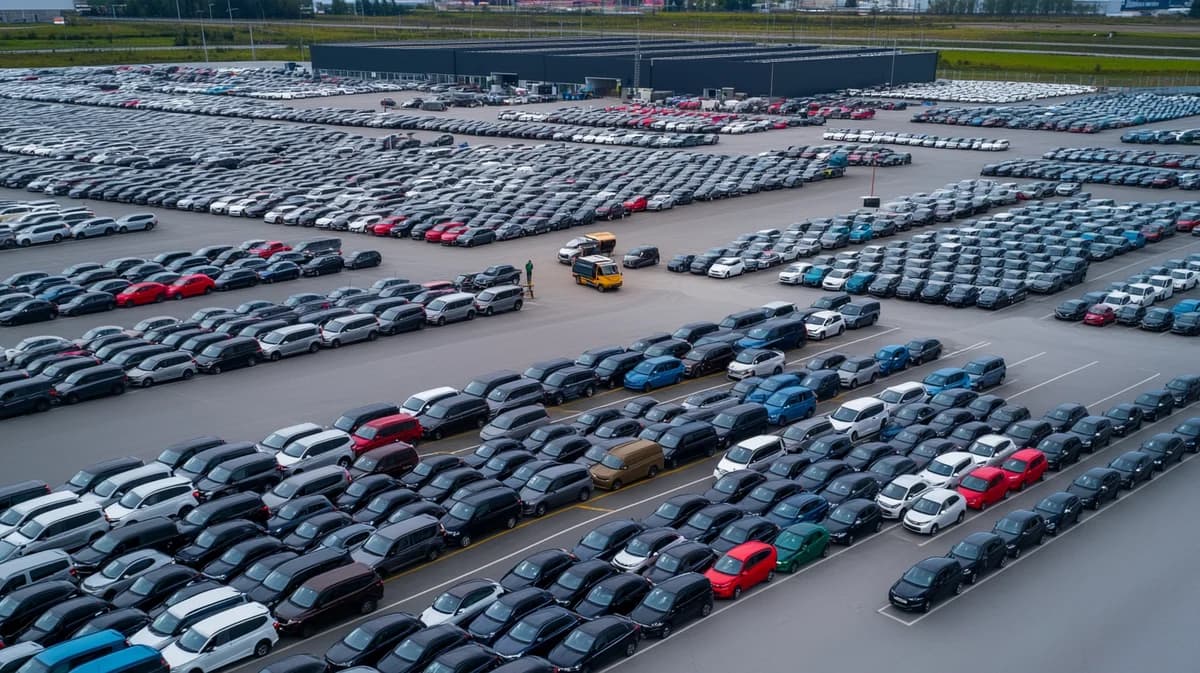
These volume surges can lead to rapid yard congestion, increased turnaround times, operational inefficiencies, and inflated dwell time KPIs, impacting carrier contracts, OEM service levels, and terminal profitability. In this guide, we explore how terminal operators can proactively manage and optimize yard space during pressure scenarios, while preserving throughput, safety, and customer trust.
1. Understand Your Surge Profile
Not all surges are equal. Terminal managers must classify the cause, scale, and urgency of the incoming volume increase to make informed decisions.
- Pre-tariff import surges (e.g., March 2025 prior to U.S. tariff implementation)
- Customs processing slowdowns, especially for non-USMCA compliant shipments
- Disruptions in inland transport due to chassis shortages, labor constraints, or weather events
- OEM-driven inventory holds linked to financing, recall campaigns, or order cancellations
Tip: Layer predictive analytics with historical throughput data to identify recurring surge triggers, be they seasonal, economic, or policy-driven.
2. Segment Your Yard by Vehicle Type and Status
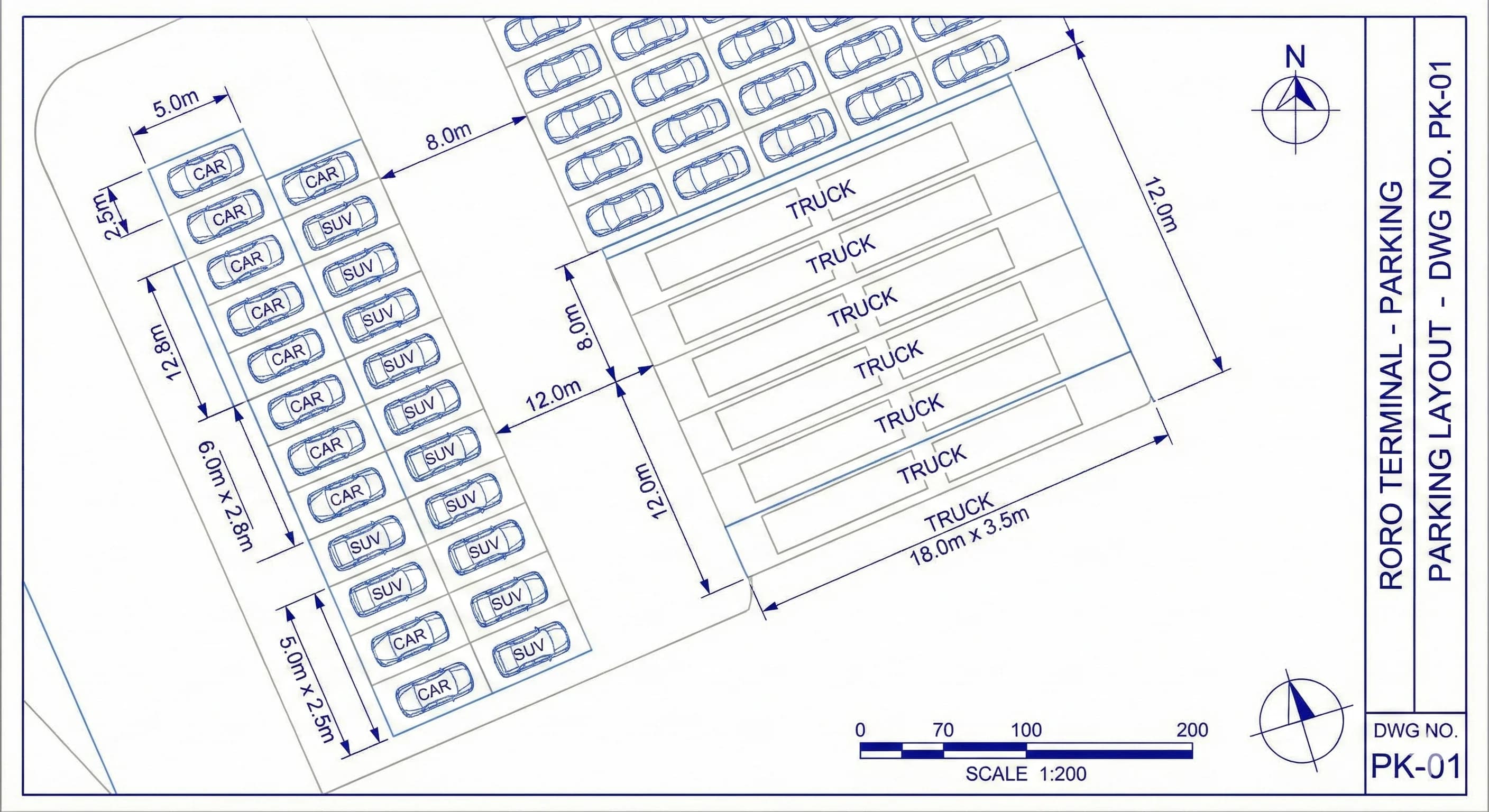
Yard segmentation is a foundational strategy. Well-structured zones reduce unnecessary shuffling, speed up retrieval, and lower labor and fuel costs.
Recommended Segmentation Zones:
- Inbound vehicles pending customs clearance
- Vehicles cleared and ready for dispatch
- Units under OEM administrative hold
- Electric vehicles (EVs) vs. Internal Combustion Engine (ICE) units, due to fire protocols
- Damaged or rework-required vehicles awaiting inspection or repair
- Long-dwell vs. high-turnover areas
Tactical advantage: Designate short-dwell vehicles near gates and transport lanes, while isolating long-term holds in buffer zones.
3. Leverage Real-Time Yard Management Systems (YMS)
A powerful Yard Management System (YMS) improves yard control, space allocation, and vehicle flow during high-pressure windows.
Benefits of YMS During Volume Surges:
- Real-time space utilization dashboards
- Alerts for vehicles approaching dwell time thresholds
- Smart placement recommendations based on scheduled exits
- Integration with OEM ERP systems, customs platforms, and port community systems
New-generation YMS platforms use mobile geotags, RFID scanning, and geofencing to automate placement tracking and optimize yard layout in real time.
Why real-time visibility matters in automotive logistics
Looking for a smarter way to manage your yard in real time? Logisoft offers integration-ready terminal operating system and yard management system to help RoRo terminals improve vehicle flow, automate space allocation, and respond to surge events with precision. Learn more
4. Collaborate with OEMs, LSPs, and Carriers
In surge situations, communication becomes a performance differentiator. Terminals that collaborate across the supply chain avoid chaos.
- Share yard forecasts, available capacity, and daily congestion updates
- Encourage OEMs to stagger deliveries based on terminal bandwidth
- Coordinate with inland carriers to manage pre-assignments and slotting
- Establish escalation protocols for critical cargo (e.g., test fleet, recalled models)
Remember: Visibility and coordination minimize last-minute surprises and unplanned moves.
5. Implement Dynamic Space Allocation Policies
Static yard layouts are inefficient during surges. Flexible zoning and adaptive policies help terminals react on the fly.
- Enable on-demand overflow lanes for peak arrivals
- Use tiered parking structures or stackable cradles where feasible
- Define express lanes for pre-cleared or priority vehicles
- Introduce buffer zones for staging outbound loads during transport delays
Deploy modular barriers, color-coded markers, and digital signage to reconfigure spaces without disrupting safety or flow.
6. Extend Yard Hours and Establish External Yard Partnerships
If your core yard cannot absorb incoming volumes, it's essential to create breathing room by extending hours and outsourcing overflow:
- Expand gate and yard hours to include night shifts, weekends, or special surge windows
- Collaborate with nearby depots, rail yards, or OEM-owned storage facilities for overflow
- Use mobile yard control teams for off-site inventory reconciliation
These steps are vital during holiday seasons, major policy deadlines, or OEM model launch campaigns.
7. Train Yard Teams for Flexibility and Responsiveness
A responsive team makes all the difference in managing yard pressure. Empower your workforce with:
- Cross-functional training across roles (e.g., spotting, scanning, driving)
- Familiarity with surge playbooks, YMS dashboards, and SOPs
- Regular drills simulating volume spikes and incident recovery
- Incentives for meeting time-sensitive surge KPIs
Empowered staff can troubleshoot independently and improve turnaround times dramatically.
8. Monitor and Optimize Key Yard KPIs in Real Time
KPIs are your early warning system during surges. Monitor them continuously, not just at shift-end or month-end:
| Metric | Target | Description |
|---|---|---|
| Yard occupancy rate | Under 85% | Maintain operational buffer space |
| Avg. dwell time per vehicle | Under 3 days (import), under 2 days (export) | Control holding costs |
| Repositioning moves per unit | Under 1.5 | Reduce unnecessary moves |
| Gate throughput per shift | Increase by 15-20% | Maintain performance levels |
| Vehicle release accuracy | Over 98% | Avoid misroutes and returns |
| Overflow site activation time | Under 3 hours | Ensure contingency readiness |
BI dashboards linked to YMS allow for instant alerts, color-coded exceptions, and root cause analysis.
Final Thoughts
Volume surges, whether driven by tariffs, recalls, shipping backlogs, or production shifts, are an unavoidable part of modern RoRo operations. But with the right tools and tactics, they can be managed effectively, and even turned into an advantage.
Terminals that invest in real-time yard visibility, dynamic space planning, surge SOPs, and partner collaboration will achieve superior service levels and customer satisfaction, even during logistical stress. APS Stevedoring runs its Jacksonville RoRo terminal on Logisoft.
Want to future-proof your terminal's yard operations?
Follow on Google
Keep Logisoft in your Google feed
Mark us as a preferred source and our RoRo and vehicle-logistics coverage shows up more often in your Google Top Stories and AI results.